Halloween Around the Globe
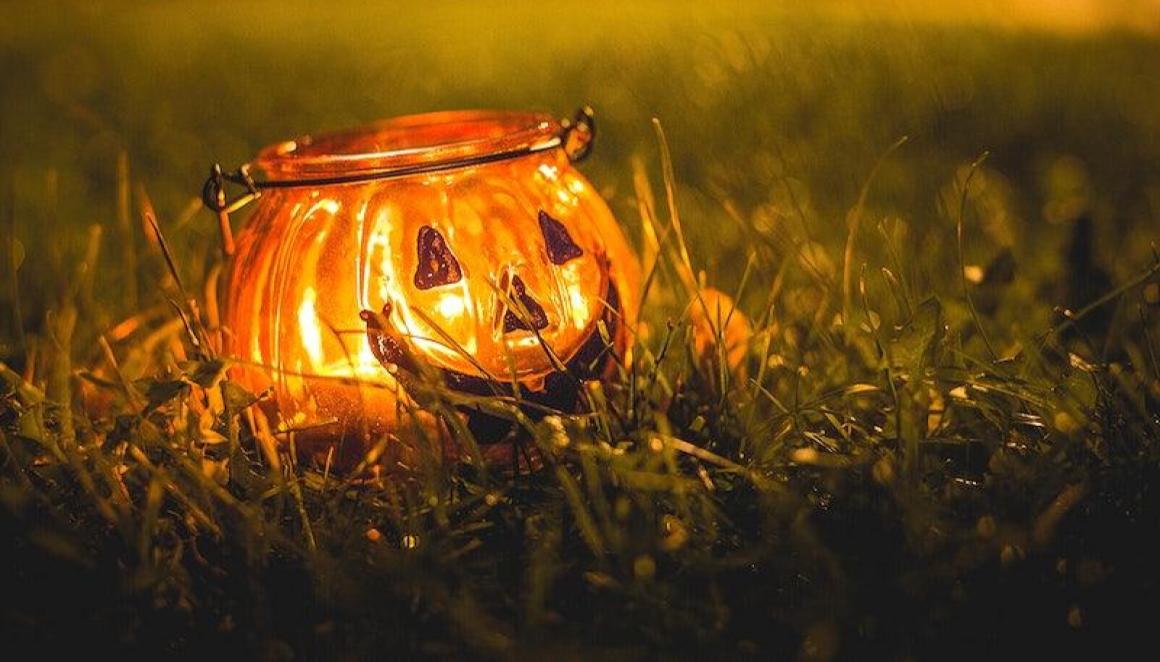
Halloween is a celebration of the dead around the world (Photo: Creative Commons).
Every October 31st since 2,000 years ago, some variation of Halloween has been celebrated. While we know how we do it in America, with trick-or-treating, costumes, and jack-o’-lanterns, how do other countries celebrate Halloween?
In Mexico, while children do go trick-or-treating on Halloween, the main celebration is actually on November 1st and 2nd, of el Dia de los Muertos, or the Day of the Dead. Originating over 3,000 years ago, it’s said that the gates of heaven open, allowing the spirit of a dead family member to visit their living family. The living family members prepare the dead’s favorite food and leave gifts for them, whilst donning skull shaped masks and facepaint. While Dia de los Muertos was originally only celebrated in the rural parts of Mexico, it has become a much more prominent celebration that is seen throughout the country. People leave the offerings for their dead family either on their graves, or on ofrendas that they keep inside their home. Oftentimes, a wash bin and towel are left out so that spirits can wash up before they feast. Some popular symbols seen on the Day of the Dead are marigolds, skulls, and candles.
Once again, people in this country also celebrate Halloween the way that American children might be familiar with, but it’s overshadowed by an older event that happens just a few days later: Guy Fawkes Day. In England, Guy Fawkes Day is celebrated through fires across the country, as Guy Fawkes failed attempt of assassinating King James I was through barrels of gunpowder, and by children walking around, asking for “a penny for the Guy”, instead of for candy, as is customary in the United States.
The Italians celebrate Ognissanti on November 1st, which is a holiday dedicated to all of the saints. It’s celebrated differently from region to region, but all of the celebrations have deeply religious roots. In Sicily, the dead rise from their graves to give good children gifts, while in Sardinia, children go knocking door to door, asking for offerings for the deceased. Romans eat a meal at the graves of their deceased family members, and people from Abruzzo and Trentino make lanterns from pumpkins and candles. In Lombardy, Italians leave a glass of water in the kitchen for the dead to drink. But all throughout Italy, it’s a time to go to mass and spend time with family.
Barrelites Gigantes is the main celebration in Guatemala around this time of year, where Guatemalans hand-paint giant kites with fun colors, and fly them over the graves of dead family and friends. The kites are meant to be a bridge between those who still live, and those who do not. The kites themselves are made of paper, bamboo, and cloth patches, and are made according to family traditions.
In Japan, trick-or-treating isn’t the focus, the costumes are. Halloween in Japan is mostly celebrated by adults who don various costumes and go to parties. Halloween is new to Japan, so it’s less about the dead, because other holidays celebrate them. Another unique thing about Halloween in Japan is that some celebrations happen on trains, as they get decorated with themes such as zombies or vampires.
In Ireland, where Samhain originated, which is the holiday that Halloween is based off of, it is celebrated through various festivals across the island. Some celebrate the Celtic traditions behind Halloween, while others are more about the current culture. Samhain occurs at the end of the harvest season and the beginning of winter, and it’s believed that the living and the dead could grace each other with their presences on this day. Back in the 9th century, when it was first recorded as being celebrated, they opened burial mounds, as they were believed to be portals to the spirit world.
In China, they don’t celebrate the dead until April, with the Qingming festival. Aptly also known as Tomb Sweeping Day, the Chinese literally sweep the graves of their loved ones to get them clean. It is considered one of the most respectful and honorable things that a person can do to honor those they’ve lost.
In the Philippines, they celebrate through Pangangaluwa to honor the souls of the dead, with children dressing up in sheets to look like ghosts, and go from door-to-door to ask for prayers, and sometimes receive treats. It’s also a time for people to spend time at the cemetery with their families and remember the dead with games, stories, and food.
Dia de la Mascarada happens every year on October 31st in Costa Rica. Costa Ricans celebrate by wearing large masks that they make themselves, and dance through the streets to music by Cimarron bands. The masks, or rather paper mache heads, are modeled as people from politics, pop culture, or mythology.