Mental Health in Big Time Football
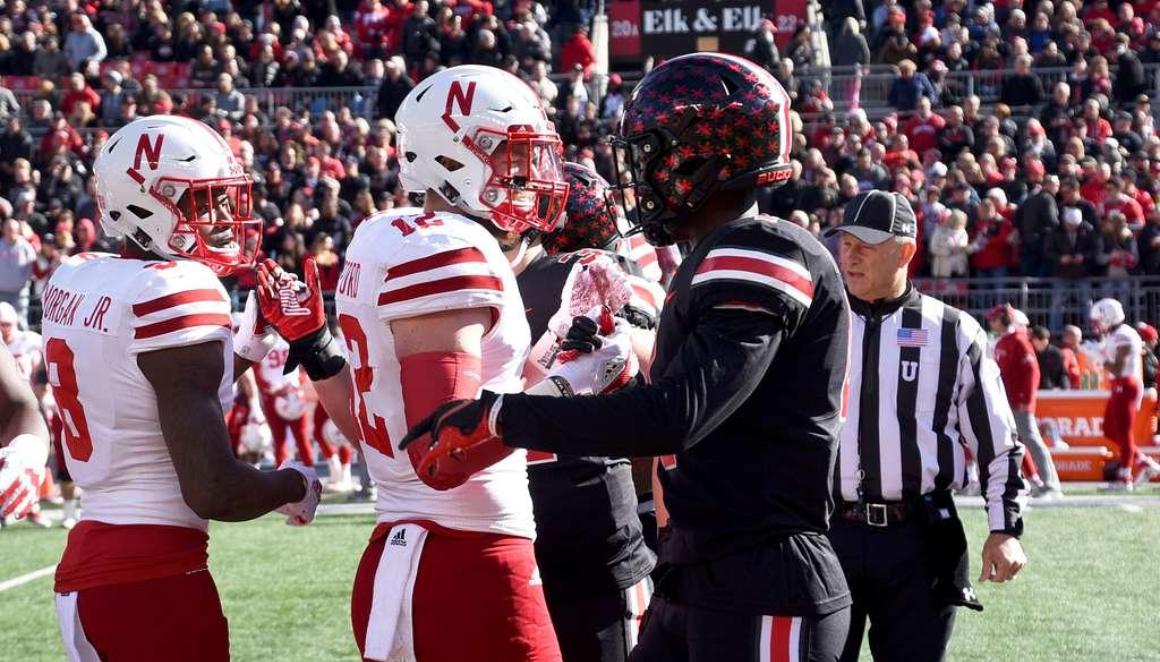
Ohio State and Nebraska football players shake hands after coin toss at OSU game (Photo: Get Archive).
Football is a well loved sport by many people whether youre playing or watching. In the fall the fans cheer on the football players in the stands above the football field. They watch the players tackle each other and hope they run far and score a touchdown. But do we ever think about how the players are feeling deep down? Probably not because they may hide it well or act tough but in reality they aren’t perfect and might not be in the best place. Football can affect their mental health. But how does football affect football players?
Players seem fine on the big screen, but deep down, they face immense pressure to perform from coaches, fans, family, and a global audience. This constant stress can take a heavy toll on their mental health. Both sports media and social platforms evaluate their performance around the clock, either celebrating their success or magnifying their mistakes.
The New York Times shows us that "Social-evaluative threat is a stress response that athletes experience when they are negatively judged, criticized, or humiliated... it is different from other performance stressors because it is chronic and ambient." This quote is proving that reading harsh online criticism may be incredibly difficult, especially when athletes already face relentless pressure to be perfect on the field. This online criticism can also create job insecurity. Furthermore, the constant threat of being replaced, unpredictable transfer windows, and short-term contracts can create underlying career anxiety. This career pressure can also lead to burnout, because being harshly judged and criticized after working so hard to be the best can be extremely exhausting. It doesn’t only affect their mental health in practice or at home; it can also affect their gameplay, specifically affecting their decision-making during a game, causing inconsistent plays and heightened anxiety.
To illustrate this ESPN interviewed 546 players, and according to these interviews, “About half of players reported feeling depressed in the past 12 months, compared to a quarter of men their age.” This excerpt from the article shows exactly how much professional football profoundly affects a player’s long-term mental health.
Football is not an easy or safe sport, according to the National Library of Medicine which notes that “an estimated 1.2 million football-related injuries are sustained annually.” These injuries may just seem like a regular part of football. While it may seem like the athlete is completely okay, just hurt physically, the mental toll it takes on them is far worse than the physical. Football players often tie their self-worth strictly to performance and often experience grief, depression, and a severe loss of purpose when sidelined. Since football is their whole world, even a small injury can send their mind into a spiral.
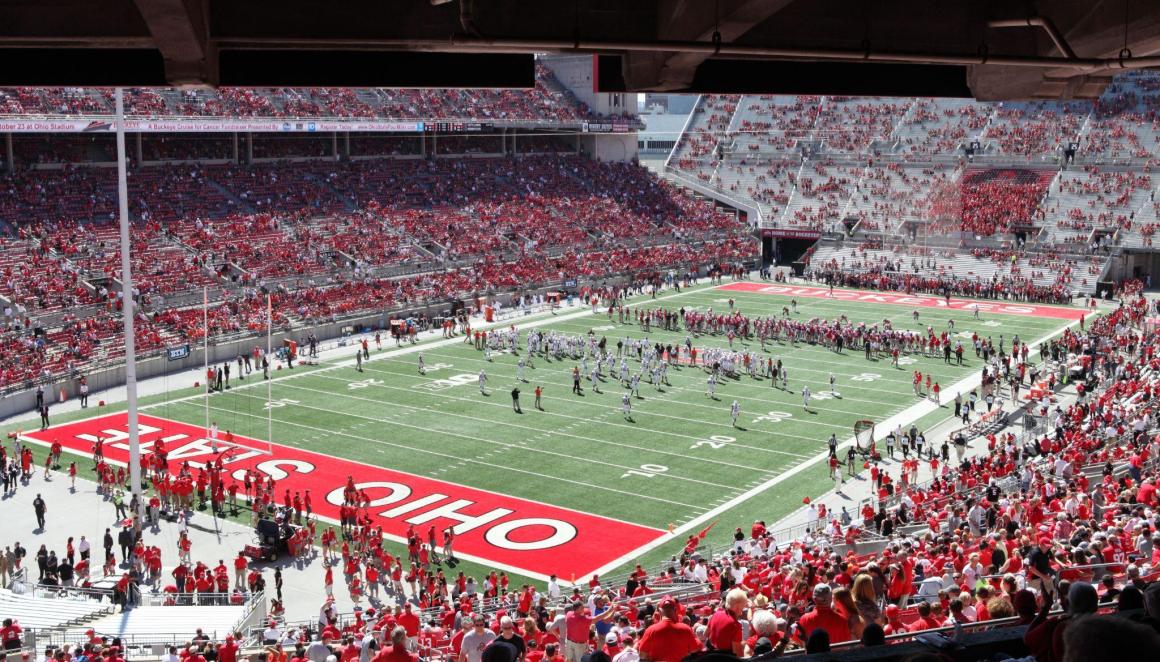
Bowling Green State University played The Ohio State University on September 3, 2016 in Ohio Stadium (Photo: Wikipedia).
Another mental toll it puts on athletes is their anxiety and fear of reinjury. Returning to the field is not easy after a severe or small injury, as it brings performance anxiety, hyper-focus on physical pain, and a paralyzing fear of re-damaging their body. When injured, a football player may seem fine on the outside, but deep inside, their anxiety may be much worse than people realize. A small injury is not always as simple as it seems and can have a major effect on an athlete's health.
Retirement for a football player is a bigger deal than it seems. Most players have spent the majority of their lives on the field, this transition severely affects their mental health, frequently triggering an identity crisis. Players often tie their entire self worth to their athletic performance, leaving them vulnerable to depression, anxiety, and a profound loss of purpose once they stop playing. After dedicating immense effort put into football or any other sport it is incredibly difficult to transition into retirement especially after adapting to a strict daily schedule with activities such as workouts, practices, and games.
Following retirement, a player's mental health is not the only thing that suffers; severe physical pain takes a heavy toll on them as well BMJ Journals states, “Professional football is known for its high injury rate compared with other sports, with an injury rate of about 1.3 injuries per player per season. The management of these injuries may occasionally require surgical intervention, and this, along with the cumulative effect of repetitive microtrauma and considerable joint demands, compounds the risk of complications for professional footballers in retirement.” The most common long-term injuries football players deal with are chronic joint damage and early-onset osteoarthritis. These injuries often restrict social activities and post-sport career opportunities. There are many risk factors in a retiring football player. Their entire reality is completely changed and they are left questioning and searching for effective ways to cope with this change.
In conclusion football is a sport that brings excitement to millions of people but there is much more happening behind the scenes than what fans see on the field. Football players deal with many challenges that can take effect on their mental health, including pressure to perform, injuries, and the transition into retirement. The pressure to constantly be at a high level can cause anxiety, stress, and burnout. Players are also constantly judged by coaches, fans, teammates, and people online who can make mistakes feel much bigger than they really are. Injuries can also have a major impact on a player's mental health. Being unable to play can make athletes feel isolated or like they have lost their purpose. Fear of getting injured again can also make returning to the field stressful. Retirement creates another major change because many football players have spent most of their lives building their identity around the sport. Suddenly losing that routine and identity can lead to anxiety, depression, and a loss of purpose.
Overall, mental health in football should be taken just as seriously as physical health. Players should have access to mental health professionals, supportive teammates and coaches, and resources that help them prepare for injuries and life after football. Fans should also remember that football players are people, not just athletes, and they can struggle just like anyone else. Supporting their mental health can help players perform better, recover more effectively and have healthier lives both on and off the field. Mental health support should be a normal part of football, not something players feel self-conscious to ask for.